
Last update date 04-04-2026
Rent is due tomorrow, your car just broke down, and your savings won’t cover both. In moments like this, emergency loans Canada become a fast solution for urgent cash needs. These loans are designed for speed—often approved within hours—but they come with costs and risks that many borrowers don’t fully understand.
This guide explains how emergency loans work in Canada, how much they actually cost, and how to borrow smarter. You’ll also learn safer alternatives, legal rules, and practical tips to avoid falling into a debt trap.
Table of Contents
Who Should Use Emergency Loans in Canada?
Emergency loans are not for everyday spending—they’re designed for urgent, unavoidable situations. Understanding when to use them can prevent long-term financial damage.
- Unexpected medical expenses not covered by insurance
- Urgent rent or utility payments to avoid eviction
- Car repairs required for work or daily life
- Short-term income gaps between paychecks
If your expense can be delayed or planned, a lower-cost financial option is usually better.
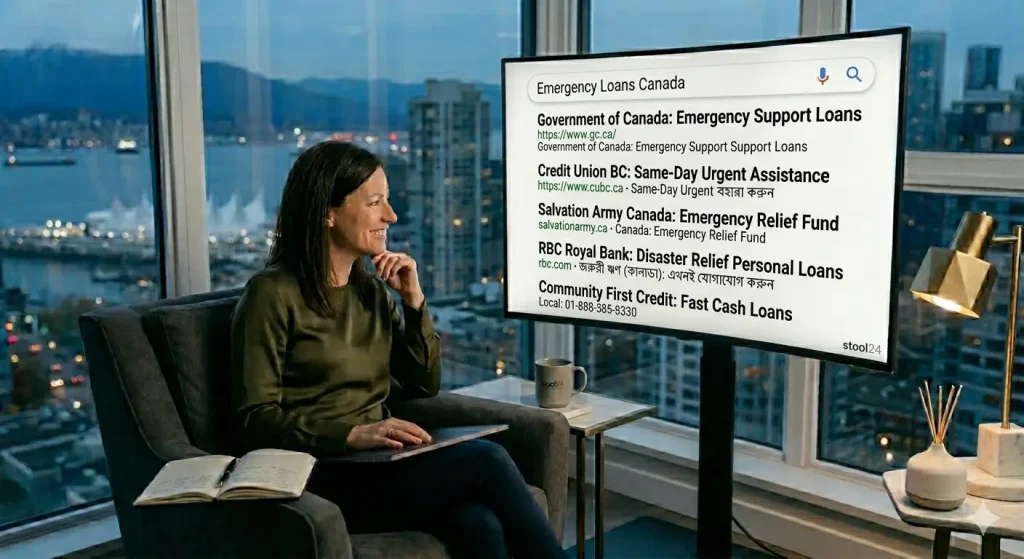
Emergency Loans Canada Fast Approval Options, Costs & Smart Borrowing Guide
Emergency loans are short-term financial solutions meant to cover urgent expenses like medical bills, rent, or unexpected repairs. Unlike traditional loans, they prioritize speed over strict approval criteria, which is why even borrowers with poor credit can qualify. But that convenience often comes at a price.
What Are Emergency Loans in Canada?
An emergency loan is a quick-access loan designed to help Canadians handle urgent financial gaps.
These loans are usually processed online, and funds are sent through e-transfer within hours or the same day. If you’re dealing with low credit scores, understanding how bad credit loans in Canada work can also help you find more flexible borrowing options.
They’re commonly used when there’s no time to wait for traditional bank approvals. Whether it’s a sudden job loss or an unexpected bill, emergency loans bridge the gap—but they should be used carefully.
Types of Emergency Loans Available
Different types of emergency loans exist depending on your financial situation and credit score. If you’re comparing broader options, exploring top personal loan lenders in Canada can help you find more affordable alternatives.
- Payday loans: Short-term loans due on your next paycheck
- Installment loans: Repaid over several months
- Lines of credit: Flexible borrowing with reusable limits
Emergency Loans vs Traditional Loans
Emergency loans are faster but more expensive compared to bank loans. Traditional loans often require good credit and take days to approve, while emergency loans focus on quick access.
Unlike emergency loans, traditional lending requires meeting specific personal loan eligibility criteria in Canada, including credit score, income level, and financial stability.
That speed is useful—but it shouldn’t replace careful financial planning.
Pros and Cons of Emergency Loans Canada
| Pros | Cons |
|---|---|
| Fast approval (same day funding) | Very high APR (can exceed 300%) |
| Accessible with bad credit | Short repayment periods |
| Simple online application | Risk of debt cycle |
| No collateral required (most cases) | Hidden fees and penalties |
Emergency Loans Canada Types, Costs & Real Examples
Understanding the real cost of emergency loans Canada is essential before applying. Many lenders advertise “low fees,” but the actual annual percentage rate (APR) can be extremely high.
Payday Loans (High Speed, High Cost)
Payday loans are the fastest option but also the most expensive. In provinces like Ontario, you may pay up to $15 per $100 borrowed.
Example: Borrow $500 → Repay $575 within two weeks.
This may not seem like much, but the APR can exceed 300% annually.
Personal Loans (Lower Interest Option)
Personal installment loans offer lower rates and longer repayment periods. While approval may take slightly longer, they’re often a safer option.
Example: Borrow $1,000 at 20% APR → Monthly payments over 12 months.
No Credit Check Emergency Loans
Some lenders claim “no credit check,” but most still review your financial activity. These loans are easier to get but come with higher fees and stricter repayment terms.
Be cautious—easy approval often means higher risk. If you have a low score, reviewing options for bad credit loans in Canada can help you compare safer borrowing solutions.
Comparison of Emergency Loan Types
| Loan Type | Speed | Cost | Best For |
|---|---|---|---|
| Payday Loan | Same day | Very High | Immediate cash needs |
| Installment Loan | 1–2 days | Moderate | Planned repayment |
| Line of Credit | Flexible | Lower | Ongoing expenses |
How to Choose the Right Emergency Loan Lender
Not all lenders are equal. Choosing the wrong one can cost you significantly more.
- Check lender licensing in your province
- Compare APR, not just fees
- Read customer reviews and complaints
- Verify transparency of repayment terms
- Avoid lenders pushing rollovers aggressively
Reputable lenders clearly disclose all costs upfront with no hidden surprises.
How to Apply for Emergency Loans in Canada
Applying for emergency loans is simple, but taking a few smart steps can save you money and reduce risk.
Step 1 – Check Eligibility
Most lenders require:
- Age 18+
- Canadian residency
- Steady income source
- Active bank account
Understanding personal loan requirements in Canada beforehand can improve your approval chances and avoid unnecessary rejections.
Step 2 – Compare Lenders
Not all lenders charge the same fees. Comparing options can help you avoid overpaying.
For deeper insights into loan comparisons, tools like tax toolkit can help evaluate financial decisions more effectively.
Step 3 – Submit Application
Most applications are completed online in minutes. You may need to upload ID or connect your bank account. Lenders often review how income is verified for loans in Canada to confirm your repayment ability.
Step 4 – Receive Funds (E-transfer)
Once approved, funds are sent via Interac e-transfer—often within hours.
Fast money can solve problems quickly.
But borrowing without understanding repayment terms can create bigger financial issues later.
Requirements for Emergency Loans in Canada
Many borrowers ask whether they qualify for emergency loans. The good news is that approval criteria are generally flexible.
Minimum Requirements
Lenders typically check income stability rather than credit scores. Even part-time or freelance income may qualify.
To speed up approval, having the required documents for loan approval in Canada ready can make the process faster and smoother.
Can You Get Approved with Bad Credit?
Yes, many lenders accept low credit scores. Credit checks may involve agencies like Equifax Canada or TransUnion Canada, but some lenders rely more on banking activity.
According to the Financial Consumer Agency of Canada, borrowers should always review loan terms carefully before accepting any offer.
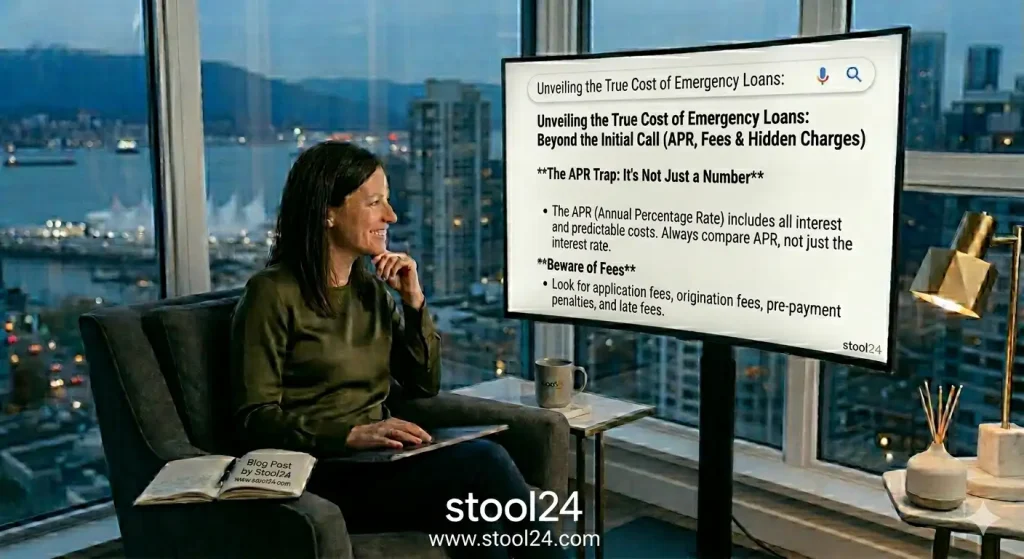
True Cost of Emergency Loans (APR, Fees & Hidden Charges)
Understanding the full cost is where most borrowers make mistakes. It’s not just about the amount borrowed—it’s about total repayment.
Understanding APR in Canada
APR includes interest and fees combined. Payday loans often exceed 300% APR, making them one of the most expensive borrowing options.
Before borrowing, it’s helpful to estimate your repayment using a personal loan calculator to understand the full cost over time.
Provincial Fee Limits
Loan costs vary by province:
- Ontario: Up to $15 per $100 borrowed
- Alberta: Around $14 per $100
- British Columbia: Around $15 per $100
These limits are regulated under federal and provincial laws, including the Criminal Code of Canada.
Hidden Fees to Watch
Many borrowers overlook additional charges:
- Late payment penalties
- NSF (non-sufficient funds) fees
- Loan rollover fees
Example of Emergency Loan Cost Breakdown
| Loan Amount | Fee | Total Repayment |
|---|---|---|
| $500 | $75 | $575 |
| $1,000 | $150 | $1,150 |
Consumer Rights & Legal Protection in Canada
Canadian borrowers are protected under federal and provincial laws. These regulations limit excessive interest rates and enforce transparency.
- Maximum interest rate capped under the Criminal Code of Canada
- Mandatory fee disclosure before loan agreement
- Cooling-off period (varies by province)
- Right to cancel certain loans within a limited timeframe
Understanding your rights can help you avoid predatory lending practices.
Market Trends & Borrowing Statistics in Canada
According to data referenced by the Financial Consumer Agency of Canada, millions of Canadians rely on short-term borrowing each year to manage unexpected financial gaps.
- Over 2 million Canadians use payday loans annually
- Average payday loan amount ranges between $300–$700
- Many borrowers take multiple loans per year due to repayment challenges
This highlights the importance of understanding loan terms before borrowing.
Risks of Emergency Loans & How to Avoid Debt Traps
Emergency loans can solve short-term problems but may create long-term financial stress if misused.
Cycle of Debt Explained
Borrowers often take a second loan to repay the first. This creates a cycle that becomes hard to escape.
Impact on Credit Score
Late or missed payments can negatively affect your credit report. On-time repayment, however, may help build credit.
Smart Borrowing Tips
- Borrow only what you need
- Plan repayment before applying
- Avoid multiple loans at once
For more guidance on handling bad credit situations, you can explore this detailed resource on bad credit loans Canada.
Emergency Loans vs Other Borrowing Options
| Option | Speed | Cost | Best Use Case |
|---|---|---|---|
| Emergency Loan | Fast | High | Urgent short-term needs |
| Credit Card | Instant | Moderate | Small purchases |
| Bank Loan | Slow | Low | Large planned expenses |
| Borrowing from Family | Fast | None | Flexible support |
Better Alternatives to Emergency Loans in Canada
Before taking a high-cost loan, consider safer alternatives that may save money. Improving your overall financial health with strategies like debt management tips in Canada can reduce the need for emergency borrowing.
Credit Union Loans
Credit unions often offer lower rates and flexible terms compared to payday lenders.
Government Assistance Programs
Programs from agencies like the Canada Revenue Agency may provide temporary financial relief.
Borrowing from Friends or Employers
This option avoids interest entirely, though it requires trust and clear communication.
Comparison of Alternatives to Emergency Loans
| Option | Cost | Risk | Speed |
|---|---|---|---|
| Credit Union Loan | Low | Low | Moderate |
| Government Aid | None | None | Slow |
| Friends/Family | None | Relationship Risk | Fast |
Expert Tips to Get Approved Faster & Pay Less
Small improvements can increase approval chances and reduce costs.
Improve Approval Chances
Maintain a steady income and avoid overdrafts before applying.
Reduce Interest Costs
Choose installment loans over payday loans when possible.
Best Time to Apply
Applying right after receiving income may improve approval odds.
Common Mistakes to Avoid
Even experienced borrowers make errors when under pressure.
- Ignoring the APR
- Borrowing more than needed
- Missing repayment deadlines
- Taking multiple loans simultaneously
Avoiding these mistakes can save hundreds of dollars and protect your credit score.
Final Thoughts Borrow Smart, Not Fast
Emergency loans Canada can be a lifeline—but only when used responsibly. Always compare options, understand total repayment costs, and avoid borrowing more than necessary.
Before applying:
- Calculate full repayment amount
- Choose the lowest-cost option available
- Ensure you can repay on time
Smart borrowing today can prevent serious financial stress tomorrow.
Quick Summary
Emergency loans Canada offer fast financial relief, but they come with high costs and potential risks. Payday loans are quick but expensive, while installment loans provide more manageable repayment options. Understanding fees, comparing lenders, and exploring alternatives can help you make smarter decisions. Always borrow responsibly and prioritize repayment planning to avoid long-term financial stress.
FAQS For Emergency Loans Canada
Can I get emergency loans Canada with bad credit?
Yes, many lenders in Canada approve emergency loans even with low credit scores. Instead of relying only on credit reports, they often check your income and banking activity. However, expect higher fees and interest rates if your credit is poor.
How fast can I receive an emergency loan in Canada?
Most emergency loans are processed within a few hours, with funds sent by Interac e-transfer. In many cases, you can receive money the same day or within 24 hours. Speed depends on the lender and how quickly you complete the application.
Are payday loans legal in Canada?
Yes, payday loans are legal but regulated at the provincial level. Provinces like Ontario and Alberta cap fees (e.g., around $14–$15 per $100 borrowed). These rules are enforced under laws linked to the Criminal Code of Canada to protect borrowers.
What is the cheapest emergency loan option in Canada?
Installment loans or credit union loans are usually cheaper than payday loans. They offer lower APR and longer repayment terms, which reduces financial pressure. Comparing options carefully can save you hundreds of dollars.
Do emergency loans affect your credit score?
Yes, emergency loans can impact your credit depending on how you manage them. On-time payments may improve your score, while missed payments can lower it. Credit bureaus like Equifax Canada and TransUnion Canada track this activity.
What happens if I can’t repay an emergency loan on time?
If you miss a payment, you may face late fees, NSF charges, and additional interest. Some lenders may offer extensions, but this increases the total repayment amount. It’s important to contact the lender early to discuss options.
How much can I borrow with emergency loans Canada?
Loan amounts typically range from $100 to $1,500 for payday loans and up to $5,000 or more for installment loans. The exact amount depends on your income, province, and lender policies. Always borrow only what you can realistically repay.
Author: This guide was written by a finance content specialist with expertise in Canadian lending, personal finance strategies, and consumer protection laws. Information is based on publicly available data and regulatory guidelines.